
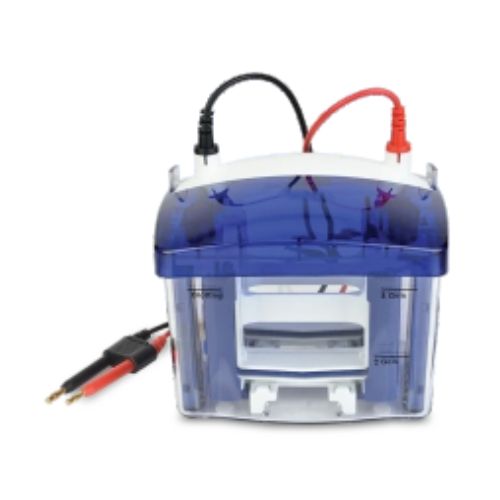
Vertical Electrophoresis is a laboratory instrument used for the separation of nucleic acids (DNA/RNA) and proteins through polyacrylamide or agarose gels in a vertical configuration. It allows high-resolution separation of biomolecules based on their size and charge, making it an essential tool in molecular biology and biochemistry research.
Vertical electrophoresis systems are widely used in biotechnology labs, molecular biology research, clinical laboratories, academic institutions, and pharmaceutical facilities. They are ideal for protein analysis, DNA sequencing, western blotting, and other applications requiring precise and reproducible separation.
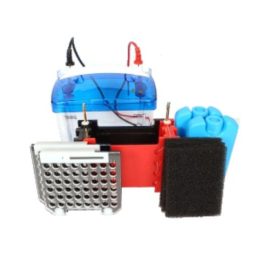
Modern vertical electrophoresis units feature durable gel casting plates, adjustable buffer chambers, reliable power distribution, and easy-to-use assembly. The compact benchtop design ensures efficient laboratory workflow, while safety features minimize accidental exposure to electrical components.
Key Features:
-
High-resolution separation of proteins and nucleic acids
-
Durable and chemically resistant gel plates
-
Adjustable buffer chambers for different gel sizes
-
Compact, benchtop-friendly design
-
Easy assembly and operation
-
Safe and reliable performance
Applications:
-
Protein separation and analysis
-
DNA and RNA electrophoresis
-
Western blotting and molecular biology experiments
-
Clinical diagnostics and research
-
Biotechnology and pharmaceutical laboratories
Vertical Electrophoresis provides a reliable, precise, and high-resolution solution for laboratories conducting protein and nucleic acid analysis, ensuring consistent and reproducible results.
Reviews
There are no reviews yet.